Aftercare
What Records Should You Receive After Dental Implants in Budapest?
A Budapest dental implant records checklist covering component details, imaging, treatment summaries, invoices, aftercare and future maintenance.
Key takeaways
Ask what records will be supplied before treatment begins, not only on the day you fly home.
Implant system, position, dimensions and restoration details can be essential for future maintenance.
Keep original digital images and documents in one secure, backed-up folder.
Dental implants need long-term maintenance. If you travel abroad for treatment, the records you bring home can matter months or years later when another dentist needs to identify a component, assess a restoration or understand what was done.
Good records help a future clinician see which implant system was used, where each implant was placed, what restoration was fitted and whether grafting or other procedures formed part of the treatment.
Dental Treatment can help you request these documents, while the treating clinic is responsible for creating and releasing the clinical record. Agree what will be provided before treatment begins, then check the folder before travelling home.
1. Implant passport and component details
Ask for the implant manufacturer, product line, dimensions and batch or lot information where available. If a screw, abutment or crown needs attention later, accurate system details can help identify compatible components.
The record should connect each implant to its position in the mouth. For a full-arch case, a simple diagram can prevent confusion between multiple implants and component sizes. Keep product stickers or an implant passport if the clinic supplies them.
An implant passport is useful only when the information is legible and specific. A brand brochure without the product and position details is not a substitute for a patient record.
2. X-rays, scans and radiology reports
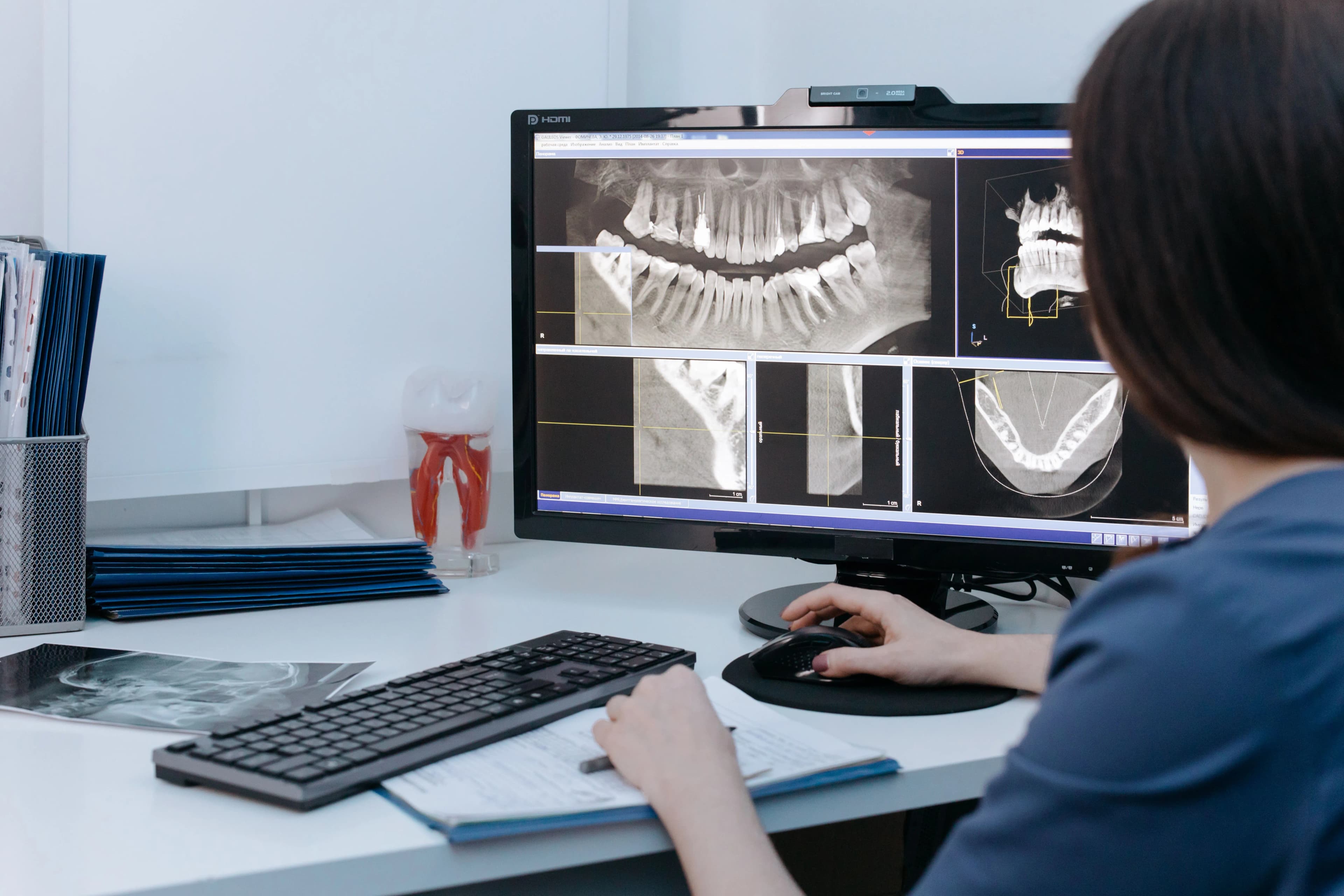
Keep copies of clinically relevant X-rays and CBCT images. Post-treatment images can help document implant position and the status of the restoration at that time.
Ask which files can be supplied digitally and what software is needed to open them. If a radiology report was produced, store it with the images. Original files are generally more useful than screenshots from a messaging app.
Use clear filenames that include the date and type of image. Keep an untouched original as well as any convenient copy. Another dentist may want to import the data into clinical software or review a view that was not captured in a screenshot.
3. Surgical treatment summary
Ask for a written summary of what was completed, including extraction sites, implant positions, grafting or sinus treatment, temporary teeth and any change from the original plan.
The summary should record relevant dates. If grafting material or a membrane was used, request the product information where available. Future clinicians do not need promotional language; they need a clear account of the procedure.
If a complication or unexpected finding changed the treatment, make sure that change appears in the final record rather than only in a conversation.
4. Restorative and laboratory information
For crowns, bridges or full-arch restorations, ask which material was used. Zirconia, ceramic, acrylic and metal-reinforced options can have different maintenance and repair considerations.
Useful details may include whether a restoration is screw-retained or cemented, the abutment type, laboratory information and shade. For temporary or removable work, ask how it should be cleaned and when replacement or review is expected.
For a full-arch bridge, confirm whether the restoration fitted at the surgical stage is temporary or definitive. Record the material and connection information the clinical team considers relevant.
5. Medication and aftercare instructions
Before flying home, make sure you understand cleaning, diet, medication, warning signs and review expectations. Save the written instructions with your dental records.
The document should explain who to contact during early healing and which symptoms need urgent attention. Medication names, doses and duration should be legible, particularly if you need to discuss them with a doctor or dentist at home.
Do not rely on memory after a long treatment day. Ask questions while the clinical team can clarify the instructions.
6. Maintenance schedule and bite review
Implants are not maintenance-free. Ask when professional cleaning, imaging and clinical reviews are expected, and whether a local dentist needs any specific instruments or component information.
For larger bridges and full-arch restorations, cleaning access and bite stability are especially important. Request instructions for interdental brushes, floss, water irrigation or other tools recommended by the treating clinician.
Ask which warning signs should trigger an earlier review. A written maintenance route is more useful than a vague instruction to arrange a check-up later.
7. Warranty terms and exclusions
A warranty is only useful when its scope is clear. Ask whether it applies to the implant fixture, prosthetic components, laboratory work or all three.
Check how routine wear, accidental damage, smoking, gum disease and missed maintenance are handled. Keep the written terms with the invoices.
Do not assume that a manufacturer's warranty on an implant fixture automatically covers clinical fees, travel, a damaged crown or a replacement bridge.
8. Invoices and proof of treatment
Keep itemised invoices and proof of payment. They help show which treatment and materials were supplied and may be needed for insurance, finance or warranty discussions.
Check that the patient name, treatment dates and principal items are correct. If currency conversion matters for your own records, save the original invoice rather than only a payment-app screenshot.
9. What to share with a dentist at home
If you arrange local maintenance, provide a concise digital folder rather than asking a new practice to reconstruct the case from memory. Include:
- treatment summary and dates;
- implant brand, system, position and dimensions;
- relevant X-rays and scan files;
- restorative material and retention method;
- medication and aftercare instructions;
- written warranty terms; and
- contact details for the treating clinic.
Ask before treatment whether the implant system is supported in your home country. Widely available components can make servicing easier, although any dentist may decide that a particular issue should be assessed by the original treating clinic.
10. Secure digital storage
Ask how records will be delivered and how long a download link remains active. Save the files promptly and check that they open before leaving Budapest.
A simple folder structure can help:
- 01 treatment plan and consent;
- 02 X-rays and scans;
- 03 implant and material details;
- 04 treatment summaries;
- 05 invoices and warranty; and
- 06 aftercare and medication.
Keep a secure backup. Dental records contain sensitive information, so avoid leaving the only copy in an unprotected messaging thread or temporary public link.
11. Final records check before departure
Use the final appointment to confirm that the treatment summary matches what was completed. Check names, dates, implant positions and any change from the original plan.
Open digital files while you still have an easy route to the clinic. If something is missing or unreadable, request it before departure. A short check in Budapest can prevent weeks of email later.
Keep everything together
Store invoices, treatment summaries, images, implant details and aftercare instructions in one secure folder with a backup. Use descriptive filenames and keep the clinic's contact details alongside them.
Prepare earlier with the dental implant planning guide, compare providers using the international dental tourism checklist, and review the broader implant records and aftercare guide. If you are still collecting information, the online quote guide explains which records make a preliminary review more useful.
Practical answers
Frequently asked questions.
What is an implant passport?
It is a record identifying the implant system and relevant component information. The format varies, so check that it clearly connects the details to the implant position in your mouth.
Do I need the batch or lot number?
Keep it when available. The implant brand, product line, dimensions and position are also important for identifying compatible components later.
Should I ask for my CBCT scan?
Ask for copies of clinically relevant imaging and any report produced. Original files are usually more useful than screenshots, although another clinician decides what imaging they need.
Can a local dentist maintain implants placed abroad?
Some can, but the dentist must decide what care they can provide. Complete records and locally available components make an informed assessment easier.
Sources and further reading
Ready to compare your options?
Send your details for a clearer plan.
Share what you want to fix, where you are based and any X-ray or scan you already have.