Implants
Dental Implants in Budapest: A UK Patient Cost Guide
UK guide to dental implants in Budapest from EUR 450, with complete quotations, travel expenses, records and savings of 50%+ on suitable plans.
Key takeaways
Compare the complete implant pathway, not the advertised price of the implant fixture.
Allow for diagnostics, staged visits, travel and possible bone treatment when calculating the real total.
Do not book non-refundable travel until the likely treatment sequence and its uncertainties are clear.
Dental implants abroad can look simple on a price table. One figure appears beside "implant", another beside "crown", and the difference from a private UK quotation can seem obvious. The difficulty is that two prices with the same label may describe very different treatment scopes.
A reliable comparison starts with the whole clinical pathway. That means the diagnosis, implant fixture, connecting component, final tooth, temporary solution, possible bone treatment, appointments and long-term records. It also includes the practical cost of reaching Budapest and returning if the treatment is staged.
This guide explains how UK patients can compare dental implant treatment in Hungary without allowing either a low headline price or a premium brand name to make the decision for them.
What an implant price may include
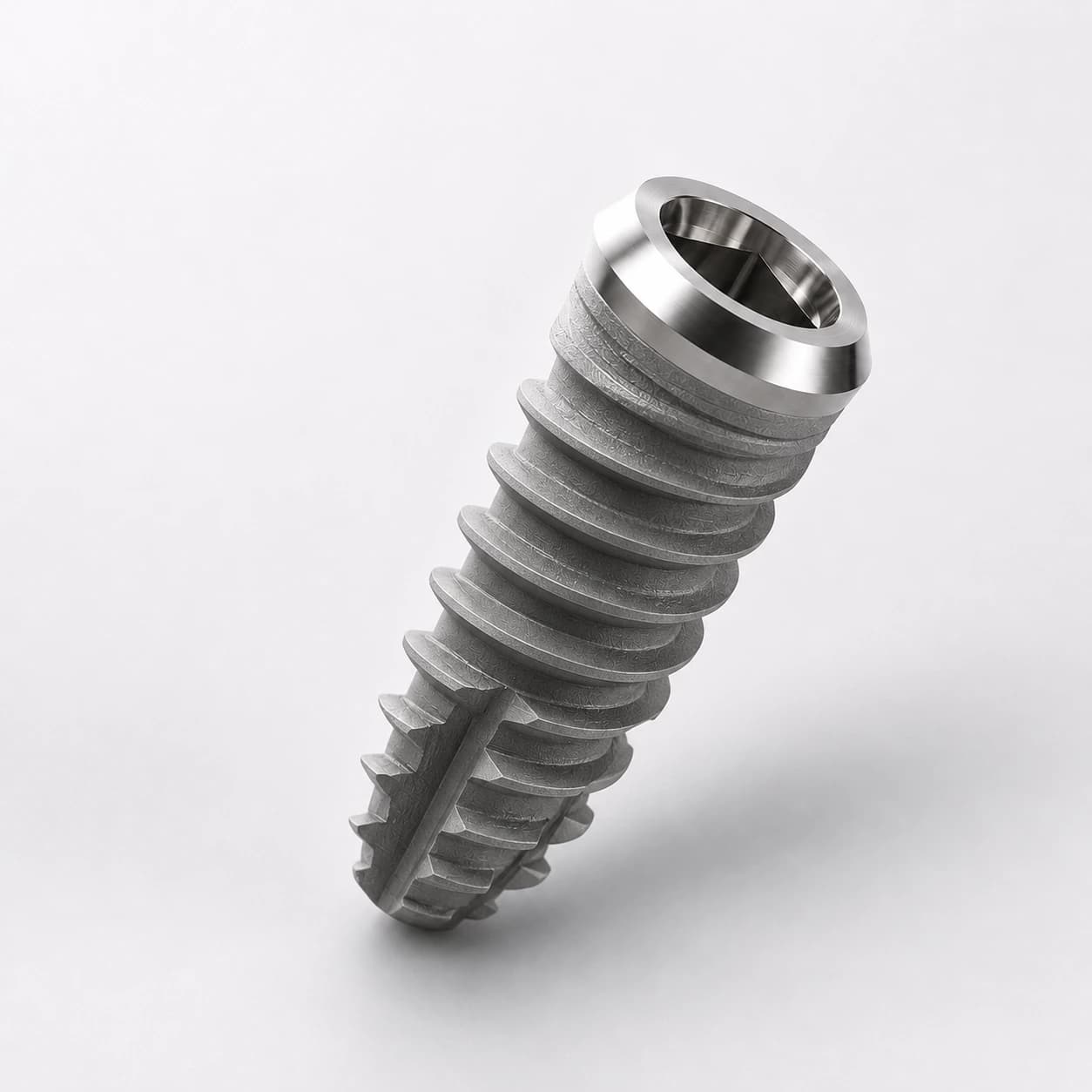
The word "implant" is often used for the entire replacement tooth, but clinically it can refer only to the titanium fixture placed in the bone. The visible tooth normally requires additional components.
A complete single-tooth implant estimate may need to account for:
- clinical assessment and treatment planning;
- panoramic X-ray or CBCT imaging;
- extraction of the existing tooth, if required;
- the implant fixture;
- an abutment or other connecting component;
- a temporary tooth where appropriate;
- the final crown and laboratory work;
- medication and planned reviews; and
- bone grafting or sinus treatment if diagnostics show that it is needed.
Not every patient needs every item. The important point is that the quotation identifies what is included, what is excluded and what remains uncertain. A price for an implant fixture should not be compared directly with a UK price that includes the abutment and crown.
Compare like with like
Create a simple comparison using the same headings for every provider. This is much more useful than placing two total figures beside each other.
| Part of the plan | What to confirm |
|---|---|
| Diagnosis | Which examination and imaging are included, and what must happen in Budapest? |
| Implant system | Brand, product line and whether compatible components are available in the UK |
| Restoration | Whether the abutment, crown or full-arch bridge is included and which material is proposed |
| Temporary teeth | What you will wear during healing and whether it is included |
| Additional surgery | How grafting, sinus treatment or extractions would affect the estimate |
| Visits | Likely number of trips, treatment days and healing interval |
| Aftercare | Planned reviews, urgent contact route, records and warranty conditions |
If one quotation is less detailed, ask for clarification rather than filling in the gaps yourself. A calm answer that explains uncertainty is more useful than an instant promise.
Calculate the real cost of treatment abroad
The treatment estimate is only one part of the total. Add the costs that apply to your own circumstances:
- return flights for each likely visit;
- accommodation and local transport;
- meals and daily expenses;
- travel insurance terms;
- time away from work or caring responsibilities;
- a companion's travel where support is needed; and
- a contingency for changed flights or an additional review.
The cheapest flight can create an expensive problem if it leaves no time for a planned clinical check. Likewise, an attractive single-visit package may not be appropriate if the implant needs a healing period before the final restoration.
Our UK to Hungary dental travel guide explains the practical route in more detail. Build the itinerary around the clinical sequence, not the other way around.
Why diagnostics can change the quotation
Photographs and a panoramic X-ray can begin a useful conversation, but implant planning depends on information that a message cannot provide. Bone volume, nerve and sinus anatomy, gum health, infection, bite forces and the condition of neighbouring teeth can all influence the recommendation.
A CBCT scan may be requested for three-dimensional assessment. Even when a scan is supplied before travel, the treating dentist still needs to decide whether it is current and suitable for the proposed plan.
This is why a remote figure should be described as preliminary or indicative. A responsible estimate separates:
- what appears likely from the records supplied;
- what needs confirmation in Budapest; and
- which findings could change the treatment, timing or price.
Use the dental implant suitability check to see which records make an initial assessment more useful.
Understand staged implant treatment
Some implant cases can progress quickly; others need healing between surgery and the final crown or bridge. Full-arch treatment, grafting, extractions or complex bite reconstruction can involve different stages.
Ask for the likely purpose of each visit. A clear itinerary might distinguish between diagnostics, surgery, temporary teeth, review, impressions or digital scans, try-in and final restoration. The exact route remains patient-specific, but you should understand why a visit is proposed.
Do not assume that "teeth in a day" means the final bridge is completed in one day. In suitable cases it may refer to a temporary fixed restoration placed around the time of surgery. The definitive restoration may follow after healing and further restorative work.
Implant brand and crown material
Brand can matter because future maintenance may require compatible components. However, a recognised implant system does not replace diagnosis, surgical execution, restorative planning or oral hygiene.
Ask for:
- the implant manufacturer and product line;
- the proposed crown or bridge material;
- whether the final restoration is screw-retained or cemented where relevant;
- what component information you will receive; and
- whether the system can be serviced in the UK.
The site includes separate information on SGS dental implants and Straumann implants, but the correct system should follow the clinical plan rather than lead it.
Aftercare, maintenance and records
Dental implants are not maintenance-free. Before booking, ask how early healing questions are handled, when professional reviews are expected and what would require an in-person appointment.
You should return with a useful clinical record. For implant treatment, that can include the implant brand and system, dimensions and position, available batch or lot information, relevant X-rays, treatment summary, restorative material, invoices and written aftercare instructions.
Read the full guide to records after dental implants abroad before the final appointment. It is easier to agree the documentation in advance than to reconstruct it later.
Questions to ask before paying a deposit
Use these questions when comparing a Budapest plan with a UK quotation:
- Who will examine, diagnose and treat me?
- Which parts of the implant restoration are included?
- What evidence is still required before the plan is final?
- What could change after the clinical examination or CBCT?
- How many visits are likely, and what happens during each one?
- What temporary restoration is planned during healing?
- Which implant system and restorative material are proposed?
- What records will I receive?
- Who do I contact after returning to the UK?
- What do the warranty terms cover, and what do they exclude?
Pressure to pay before these questions are answered is a reason to slow down. The General Dental Council's guidance for patients considering treatment abroad also emphasises researching the provider, understanding the proposed treatment and considering aftercare before travelling.
A sensible next step
Start with the visible dental treatment starting prices, but treat them as reference points. Then send clear photographs, any recent imaging, your medical context and the result you want to achieve.
The aim of a first reply is not to create false certainty. It is to identify the likely treatment category, the missing evidence and whether travelling to Budapest appears worth exploring. The online dental quote guide shows exactly what to send.
Practical answers
Frequently asked questions.
Are dental implants cheaper in Budapest than in the UK?
Starting prices can be lower: the Budapest implant fixture starts from EUR 450. A fair comparison must include the implant, abutment, crown or bridge, diagnostics, temporary teeth, any bone treatment, travel and follow-up requirements.
Can I receive a final implant quote before travelling?
Records and scans may support a preliminary estimate. The definitive plan and price can still change after the treating dentist completes the clinical examination and any required imaging.
How many trips might implant treatment require?
That depends on the number of implants, healing protocol, bone treatment and restoration. Many cases are staged, so ask for the purpose and likely duration of every proposed visit.
What should I send for a preliminary estimate?
Send clear dental photographs, a recent panoramic X-ray or CBCT scan if available, your medical and medication history, smoking status and any existing written treatment plan.
Sources and further reading
Ready to compare your options?
Send your details for a clearer plan.
Share what you want to fix, where you are based and any X-ray or scan you already have.