Safety
Dental Treatment in Budapest: Risks UK Patients Should Understand
A Budapest-focused safety guide for UK patients considering dental treatment abroad, covering diagnostics, provider checks, consent, aftercare, records and travel risks.
Key takeaways
Treatment abroad carries the ordinary risks of dentistry plus practical risks created by distance and travel.
A preliminary quote should explain what remains uncertain and what could change after examination.
Aftercare, records and a route for urgent questions should be agreed before treatment begins.
Dental treatment abroad can be a reasonable option for some UK patients, particularly when a larger private treatment plan is difficult to fund at home. The decision still deserves the same care as any important healthcare choice.
The risks are not limited to the quality of dentistry in another country. They also include incomplete remote information, rushed travel, unclear consent, missing records and the practical difficulty of managing a complication from a distance.
This guide does not assume that UK treatment is automatically safe or that overseas treatment is automatically unsafe. Complications can happen anywhere. The aim is to identify the questions that become more important when the treating clinic is a flight away.
Risk 1: choosing from an incomplete price
An advertised price may describe one component rather than the complete treatment. For example, a dental implant price may exclude the abutment, crown, CBCT scan, temporary restoration, extraction or bone grafting.
Crowns and veneers can also involve additional work such as temporary restorations, gum treatment, root canal treatment, bite adjustment or replacement of old build-ups. Full-arch treatment may separate surgery, temporary teeth and the definitive bridge.
Ask for a written estimate that shows:
- what is included;
- what is excluded;
- which assumptions were made from the records supplied;
- what remains subject to examination or imaging; and
- how an additional procedure would be priced if it becomes necessary.
Use the Budapest dental treatment price guide as a starting point, not as a promise for an individual case.
Risk 2: remote information creates false certainty
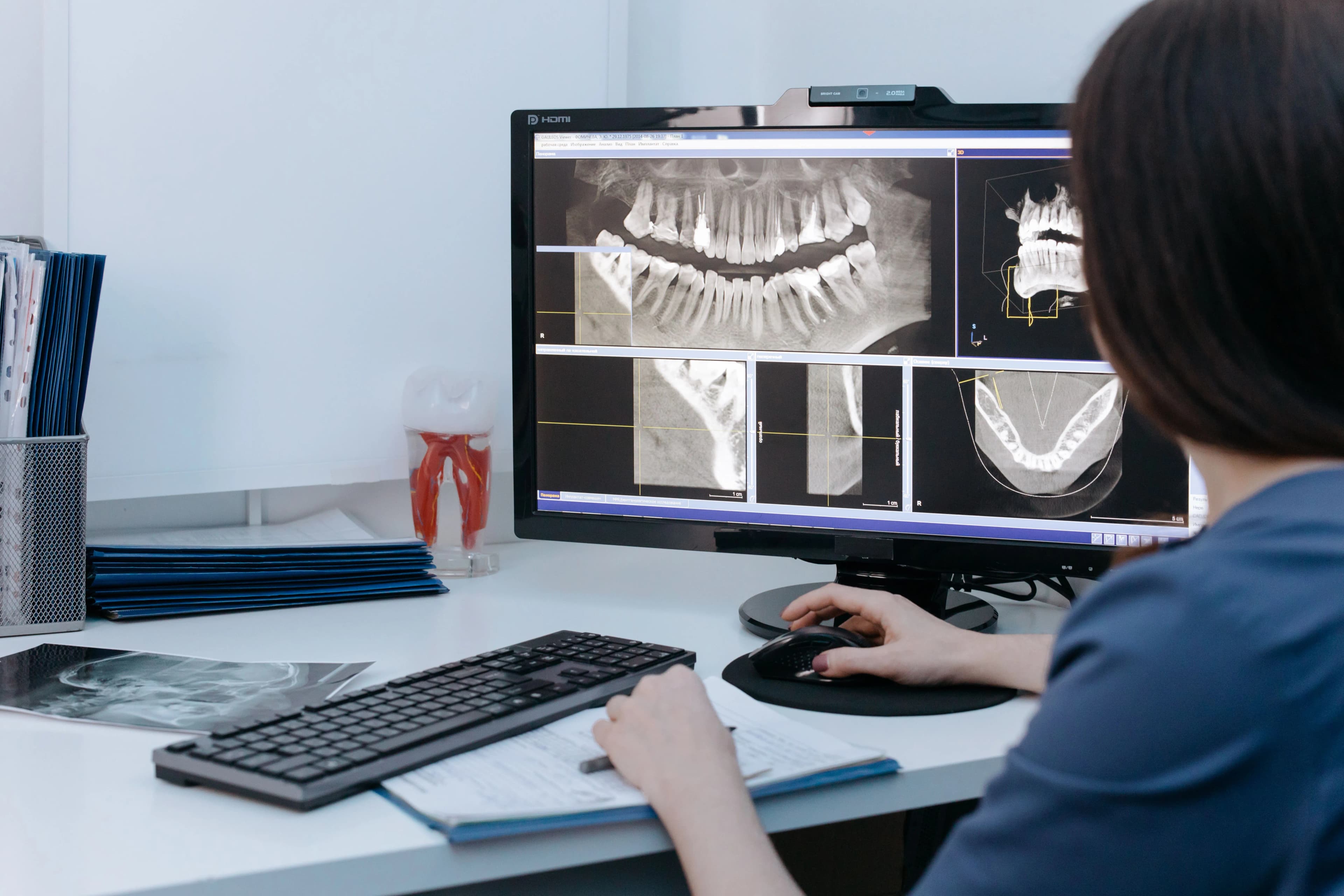
Photographs and existing X-rays can make an enquiry more useful, but they cannot reproduce a full examination. Implant planning may depend on bone anatomy, gum health, infection, medical history and bite forces. A cosmetic plan may change when the clinician assesses enamel, existing restorations and the way the teeth meet.
A responsible preliminary plan should make its limits visible. Be cautious when a final diagnosis, guaranteed outcome or fixed complete price is offered from a few photographs alone.
The final decision should follow the clinical assessment and any diagnostics the treating dentist considers necessary. Ask what will happen if the in-person findings differ from the initial expectation.
Risk 3: the provider is difficult to verify
You should know the name and location of the treating clinic and the identity of the dentist responsible for care. The GDC advises UK patients considering treatment abroad to research the proposed provider, qualifications, treatment and aftercare.
Ask about:
- the clinician's registration and relevant experience;
- who completes the diagnosis and consent process;
- which implant systems and materials are used;
- infection prevention and sterilisation procedures;
- who provides sedation or anaesthesia if proposed; and
- how complaints or urgent concerns are handled.
A website badge or accreditation logo is not a guarantee of a particular result. Verify claims where possible and judge the quality of the actual information you receive.
Risk 4: consent is rushed or unclear
Informed consent is more than signing a form. You should understand the proposed treatment, material risks, likely benefits, reasonable alternatives and what could happen without treatment.
Language matters. Confirm that the treating clinician can explain the plan in a language you understand, with enough time for questions. Do not rely solely on sales language or a summary passed through several people.
If the plan changes after examination, ask for the revised recommendation and cost before treatment begins. You should not feel pressured to accept additional work because flights and accommodation have already been paid for.
Risk 5: the itinerary ignores recovery
Treatment travel is not an ordinary city break. Surgery, sedation, temporary restorations and longer appointments can affect what is sensible during the trip.
Ask how long you should remain in Budapest after the final procedure and whether a review is planned before departure. Leave contingency time rather than booking the last possible flight.
The CDC advises medical travelers that ordinary holiday activities may interfere with post-procedure recovery. Follow personal instructions from the treating clinician and discuss when it is appropriate to fly, especially after surgery or where medical conditions add risk.
The UK to Hungary dental travel guide helps organise flights and accommodation around the treatment sequence.
Risk 6: aftercare responsibilities are vague
Before travelling, ask who you contact if you develop pain, swelling, bleeding, a loose temporary tooth or another concern. Find out which issues can be reviewed remotely and which require an examination.
Do not assume that a UK dentist will automatically repair or maintain treatment completed elsewhere. A local dentist must make an independent clinical decision and may not have access to the required implant components or records.
For larger treatment, consider discussing routine maintenance with a dentist at home in advance. This is particularly relevant for full-arch bridges and implant systems that require specific tools or parts.
Risk 7: records are incomplete
Poor records can turn a manageable maintenance problem into detective work. For implants, request the manufacturer, system, position, dimensions and available batch information. Also keep treatment summaries, X-rays, restorative material details, invoices and written aftercare instructions.
For crowns or veneers, ask for the material and a summary of any supporting treatment. For full-arch restorations, record whether the bridge is temporary or definitive and how it is retained.
The complete implant records checklist explains what to save before returning to the UK.
Risk 8: warranty language is misunderstood
An implant manufacturer warranty, a clinic guarantee and ordinary clinical aftercare are different things. A lifetime warranty on an implant fixture does not necessarily cover the crown, bridge, clinical fees, travel or treatment made necessary by disease or damage.
Ask for written terms and check:
- which component is covered;
- how long each part is covered;
- whether maintenance visits are required;
- which exclusions apply;
- where corrective work must take place; and
- who pays for travel and associated expenses.
Avoid treating the word "guarantee" as proof that complications cannot happen.
Risk 9: travel insurance is assumed to cover treatment
Standard travel insurance may exclude planned treatment and complications related to it. Read the policy wording and ask the insurer directly if you are unsure.
Keep the clinic's contact details, medication list, treatment summary and insurance documents available offline. If you develop urgent or worsening symptoms, seek appropriate local dental or medical care rather than waiting for a remote reply.
Warning signs before booking
Pause the decision if you encounter:
- pressure to pay immediately;
- guaranteed outcomes without adequate diagnostics;
- no clear clinic or dentist identity;
- a recommendation based only on a short message;
- refusal to name the implant or restoration material;
- no written explanation of treatment stages;
- no route for post-treatment questions;
- vague or conditional record provision; or
- prices that cannot be broken into meaningful components.
One warning sign does not automatically prove poor care, but unanswered basic questions increase uncertainty.
A safer way to compare Budapest treatment
Compare the complete plan rather than the sales promise. Review diagnosis, alternatives, clinician, materials, timing, records, aftercare, travel and total cost together.
Send useful evidence before travel, but expect the plan to remain provisional until the treating dentist has completed the necessary assessment. Keep control of the decision by avoiding non-refundable arrangements until the likely route is clear.
Licensed dentists in Budapest are responsible for diagnosis and clinical care. Dental Treatment helps international patients organise records, questions and practical travel information in clear English. Continue with the full international dental tourism checklist before committing.
Practical answers
Frequently asked questions.
Is dental treatment abroad safe?
It can be appropriate for some patients, but no destination or clinic can remove clinical risk. Safety depends on diagnosis, clinician competence, informed consent, infection control, communication, records and realistic aftercare planning.
What is the biggest risk of choosing by price alone?
Headline prices may omit diagnostics, temporary teeth, bone treatment, final restorations or return visits. They can also encourage a patient to commit before the clinical uncertainties are understood.
Will a UK dentist provide aftercare for treatment completed abroad?
A UK dentist can decide what care they are willing and able to provide. Do not assume that a local practice will maintain or correct overseas treatment without first discussing records, components and clinical responsibility.
What should I do if symptoms develop after returning home?
Follow the written instructions from the treating clinician and seek prompt local dental or medical assessment for urgent or worsening symptoms. Do not rely only on remote messages when an examination is needed.
Sources and further reading
Ready to compare your options?
Send your details for a clearer plan.
Share what you want to fix, where you are based and any X-ray or scan you already have.